Understanding the Basics of Gambling for Starters Your Essential Guide
Introduction to Gambling
Gambling has been a part of human culture for centuries, offering excitement and the possibility of winning. At its core, gambling involves risking something of value, typically money, on an uncertain outcome. Whether it’s playing cards, betting on sports, or spinning the reels of a slot machine, the fundamental principle remains the same: chance. Understanding this basic concept is crucial for anyone looking to explore the gambling world. For those intrigued by sports betting, aviashow betting limits provide unique insights into the market trends.
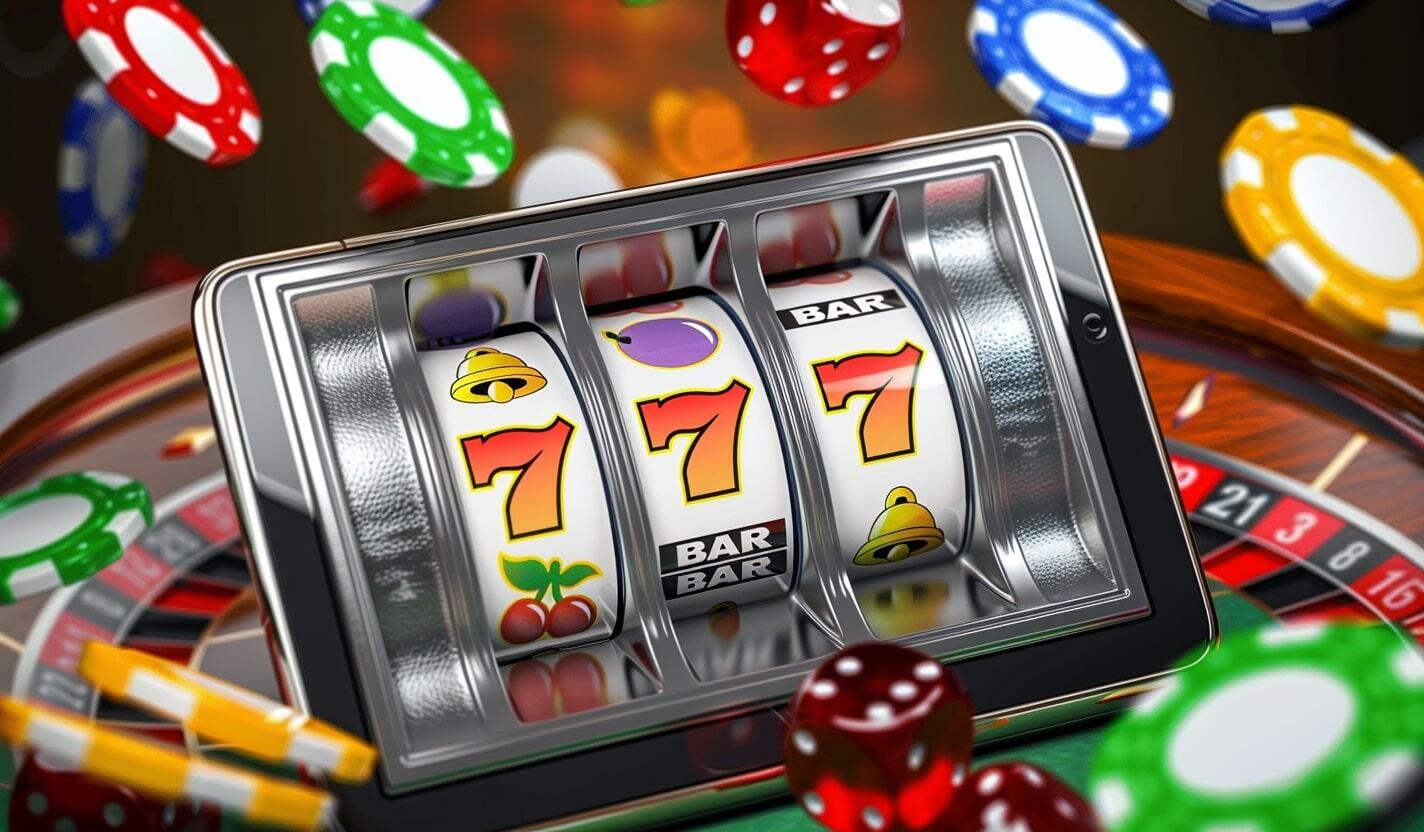
For beginners, the landscape can seem overwhelming. Various games, betting options, and rules make it essential to have a solid foundation before diving in. This guide aims to demystify gambling, providing insights that can help newcomers navigate their journey while prioritizing responsible play.
Types of Gambling Games
Gambling encompasses a wide variety of games, each with its unique rules and strategies. The most popular categories include casino games, sports betting, and lottery. Casino games, such as poker and blackjack, blend skill and luck, while slot machines rely purely on chance. Understanding the distinctions among these games is vital for effective gameplay.
Sports betting has gained massive popularity in recent years, allowing enthusiasts to wager on the outcomes of sporting events. This type of gambling requires knowledge of the sport and the teams involved, making it appealing to fans who want to deepen their engagement. Each type of gambling game presents its thrills and challenges, and exploring these options can help players find what resonates with them.
Understanding Odds and RTP
Odds are a fundamental aspect of gambling, representing the likelihood of a particular outcome. Familiarity with odds can significantly influence a player’s betting strategy. For instance, higher odds indicate a less likely outcome but also promise larger payouts. Conversely, lower odds suggest a more probable outcome with smaller returns. Understanding these can help players make informed choices.
Return to Player (RTP) is another crucial concept in gambling, especially for those interested in casino games. The RTP percentage indicates how much a game is likely to return to players over time. A game with a 97% RTP, for example, means that, on average, players can expect to get back $97 for every $100 wagered. Knowing the RTP of various games can help players assess which ones offer better value and align with their risk tolerance.
Strategies for Responsible Gambling
While gambling can be entertaining, it’s essential to approach it with a responsible mindset. Setting a budget is a foundational strategy that can help mitigate risks. By deciding how much money to spend and sticking to that limit, players can enjoy the thrill of gambling without overspending.
Additionally, understanding the signs of problem gambling is crucial. This includes recognizing when gambling is causing stress or impacting personal relationships. Many resources are available for players seeking help, and promoting awareness of responsible gambling practices is key to ensuring a fun and safe experience.

Exploring Online Gambling Platforms
The rise of the internet has transformed the gambling landscape, making it more accessible than ever. Online gambling platforms offer a vast array of games and betting options at the click of a button. These platforms often provide bonuses and promotions that can enhance the gaming experience, making them attractive to newcomers.
Before choosing an online platform, it’s essential to research and consider factors such as licensing, security, and user reviews. Reliable platforms ensure fair play and protect player information, making them safer choices for online gambling. By understanding how to navigate these platforms, players can maximize their enjoyment and minimize risks.